New South Pacific cliff flower is critically endangered In climate change, conservation biology, Research News, zoology / 21 January 2015 / 0 comments
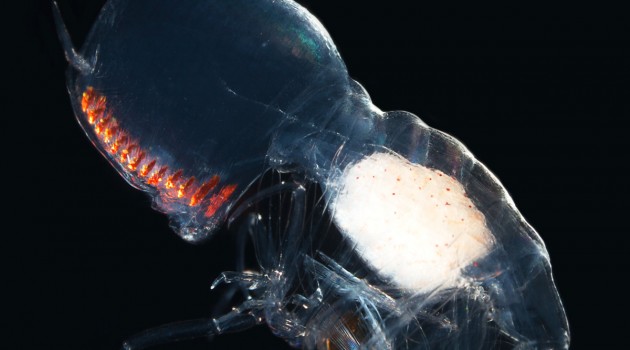
Bizarre ocean amphipod has 16 retinas in each eye In marine science, Research News, zoology / 15 January 2015 / 2 comments
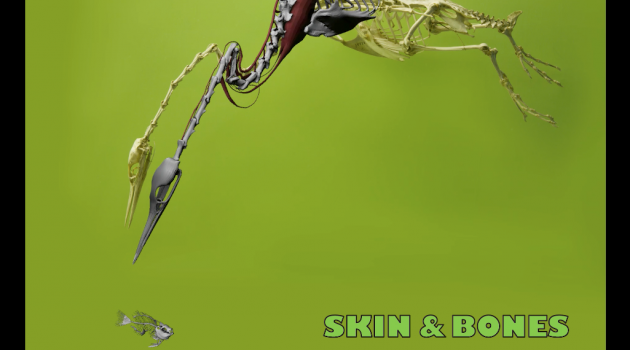
Museum specimens come to life in new “Skin and Bones” mobile app In anthropology, paleontology, Research News, technology, Video, zoology / 13 January 2015 / 0 comments
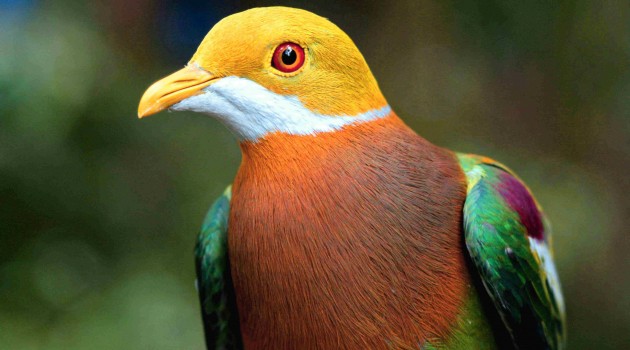
Feathers of seduction – the connection between birds and people of New Guinea In Q & A, Research News, zoology / 1 January 2015 / 0 comments
Five fascinating species discovered by Smithsonian scientists in 2014 In conservation biology, Research News, zoology / 27 December 2014 / 0 comments
International team maps ‘big bang’ of bird evolution In conservation biology, Research News, Science Spotlight, technology, zoology / 11 December 2014 / 0 comments
In modern amphibian “ark,” new species added with due diligence In climate change, conservation biology, Research News, zoology / 8 December 2014 / 0 comments
High hopes for 60 year-old crocodile to become mother again In conservation biology, zoology / 4 December 2014 / 1 comment