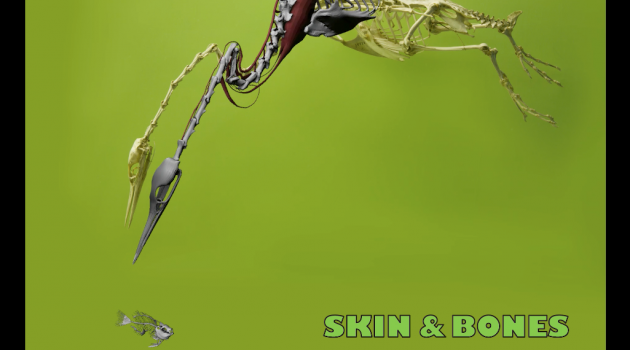
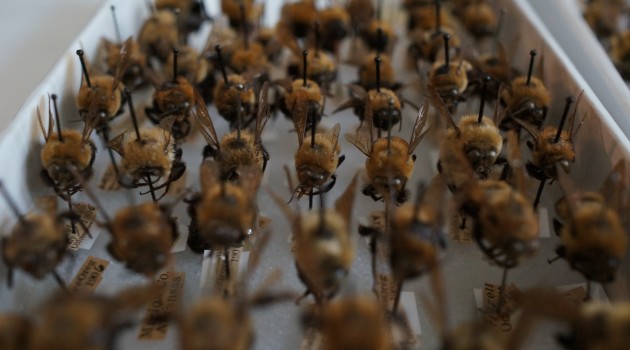
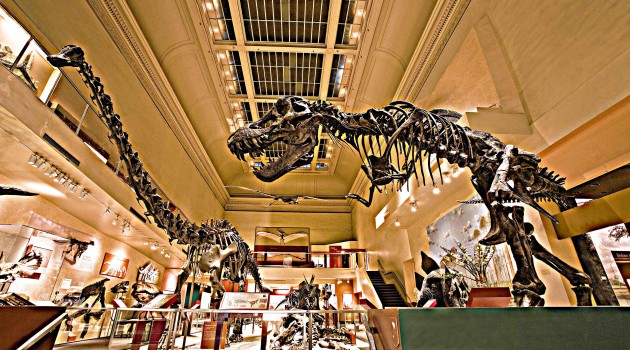
Museum specimens come to life in new “Skin and Bones” mobile app In anthropology, paleontology, Research News, technology, Video, zoology / 13 January 2015 / 0 comments
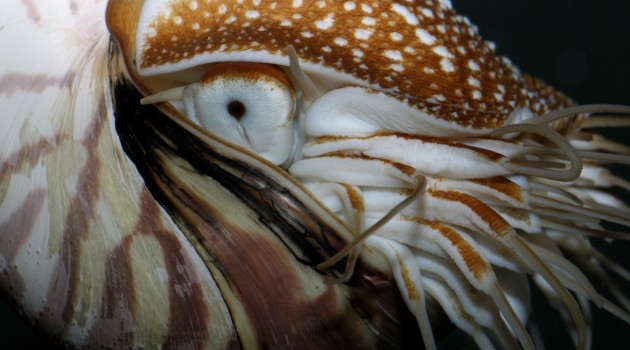
Nautilus shell deformity puzzles scientists In conservation biology, marine science, paleontology, Research News, zoology / 16 October 2014 / 0 comments
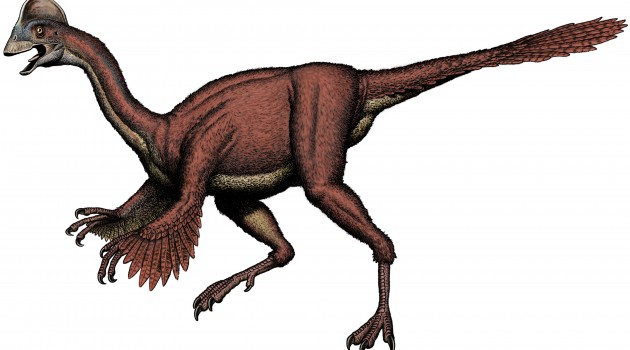
Five amazing fossil finds that will make you want to be a fossil hunter In paleontology, Research News / 14 October 2014 / 0 comments
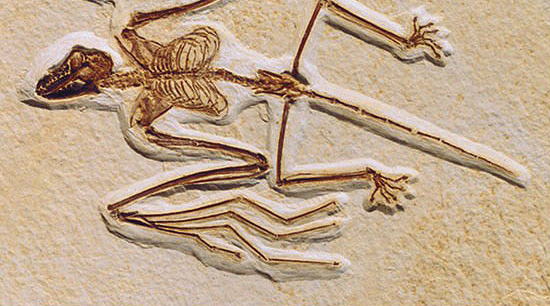
New Book: A History of Life in 100 Fossils In anthropology, Book Review, climate change, conservation biology, geology, marine science, paleontology, Research News, Science Spotlight, zoology / 10 October 2014 / 0 comments
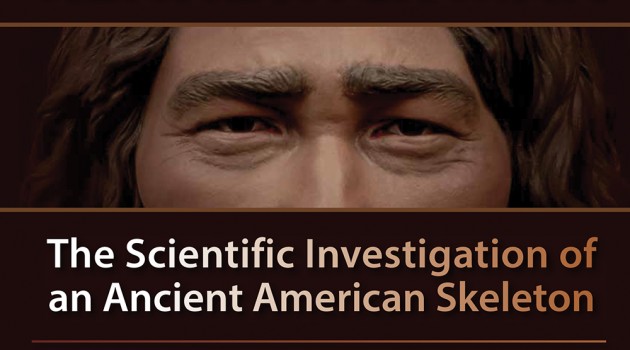
New book brings Kennewick Man to life In Book Review, paleontology, Research News, Science Spotlight / 25 August 2014 / 0 comments
Volunteers needed for massive Smithsonian digitization project In anthropology, conservation biology, materials science, paleontology, Research News, technology / 12 August 2014 / 6 comments
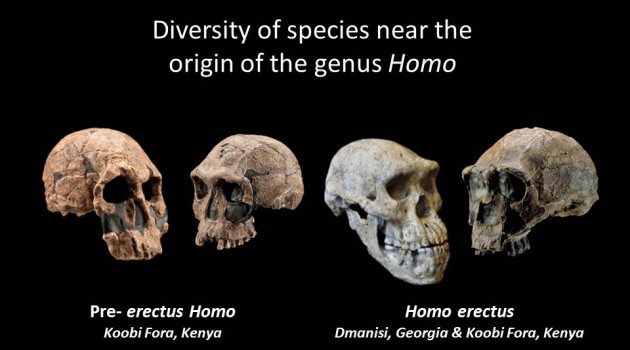
Human Evolution Rewritten: We owe our existence to our ancestor’s flexible response to climate change In anthropology, climate change, geology, paleontology, Research News / 3 July 2014 / 7 comments
Discover sloths in a whole new way! In conservation biology, marine science, paleontology, Research News, zoology / 25 June 2014 / 0 comments
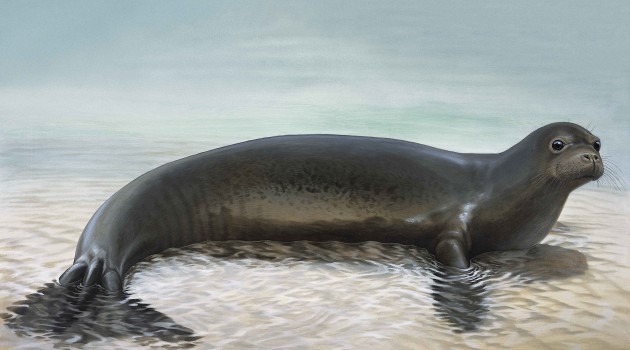
Too valuable to lose: Extinct relative reveals rarity of last two remaining monk seal species In climate change, conservation biology, marine science, paleontology, Research News, zoology / 14 May 2014 / 0 comments