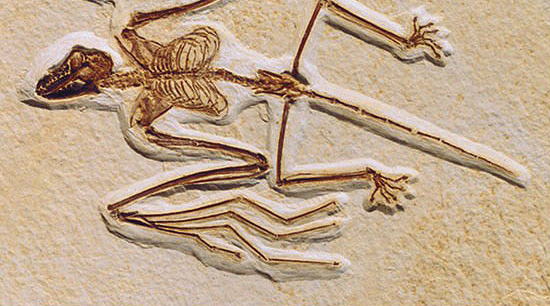
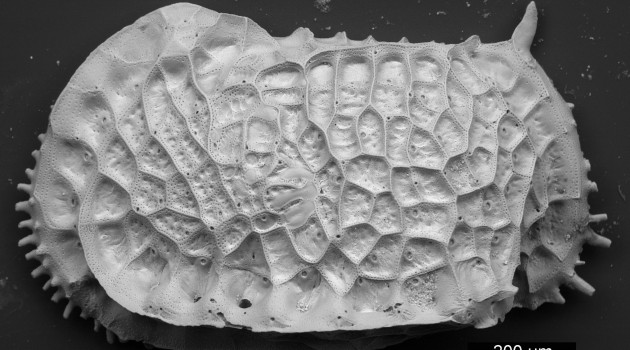
New Book: A History of Life in 100 Fossils In anthropology, Book Review, climate change, conservation biology, geology, marine science, paleontology, Research News, Science Spotlight, zoology / 10 October 2014 / 0 comments
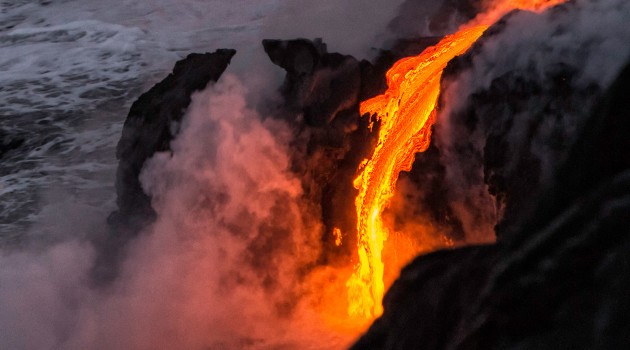
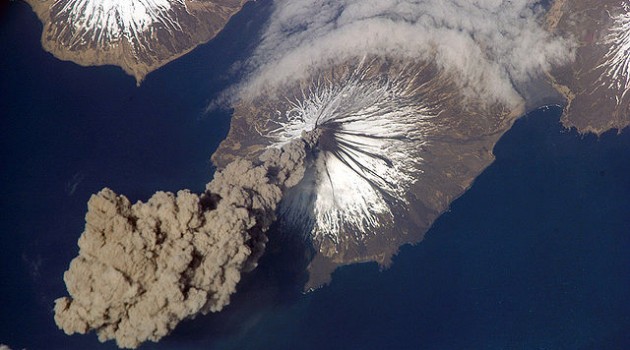
New: myVolcano crowd-sourcing app In climate change, geology, Research News, technology, Video / 2 September 2014 / 0 comments
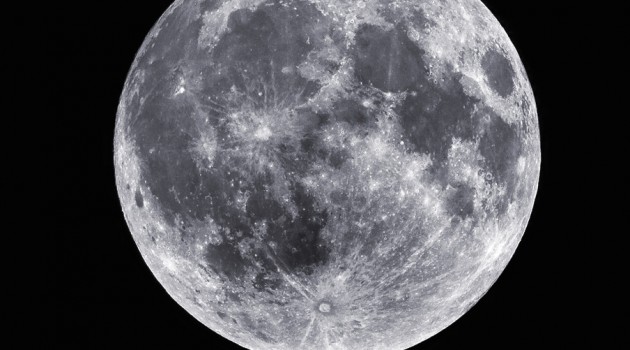
Cutting through the dust: Radar shows moon’s true face for first time In astrophysics, geology, Q & A, Research News / 26 August 2014 / 0 comments
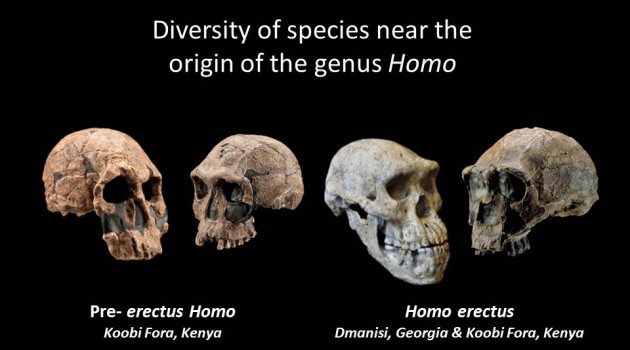
Human Evolution Rewritten: We owe our existence to our ancestor’s flexible response to climate change In anthropology, climate change, geology, paleontology, Research News / 3 July 2014 / 7 comments
Climate change to impact even deep-ocean ecosystems In climate change, conservation biology, geology, marine science, Research News, zoology / 24 June 2014 / 0 comments
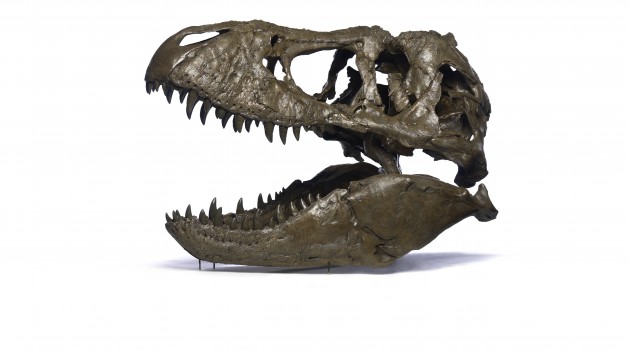
Smithsonian Welcomes “Nation’s T. rex” to Washington, D.C. In geology, paleontology, Research News / 16 April 2014 / 0 comments
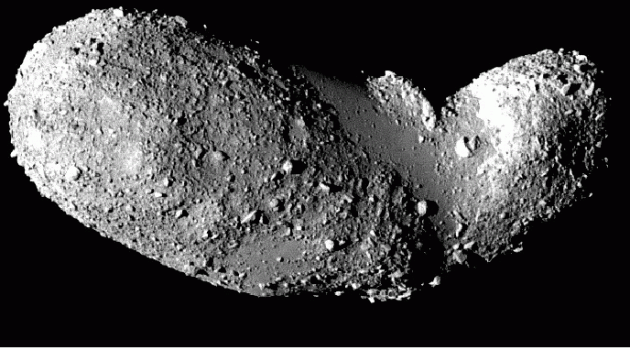
Give us the telescopes and we’ll find the asteroid mines! In astrophysics, geology, Q & A, Research News / 27 February 2014 / 2 comments
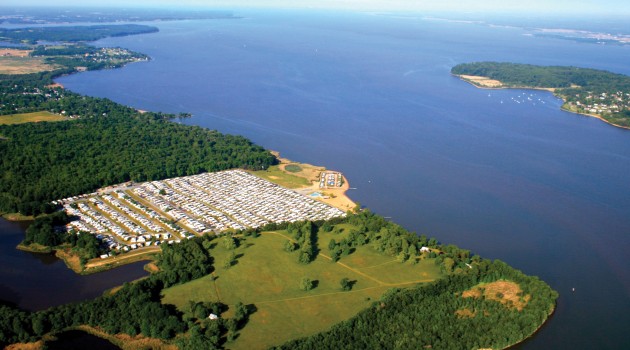
Wetlands sinking with human-built structures In climate change, conservation biology, geology, marine science, Research News / 5 December 2013 / 1 comment
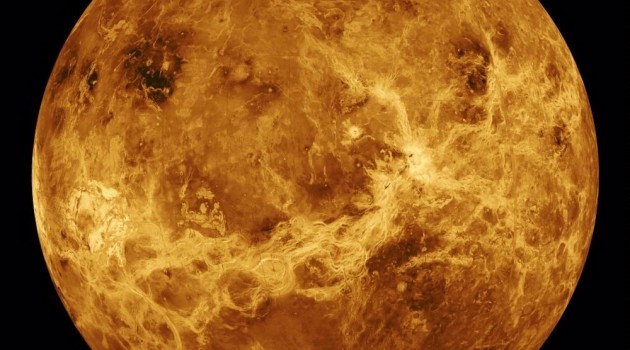
Mapping Venus with radar In astrophysics, geology, Research News, Science Spotlight / 18 November 2013 / 0 comments