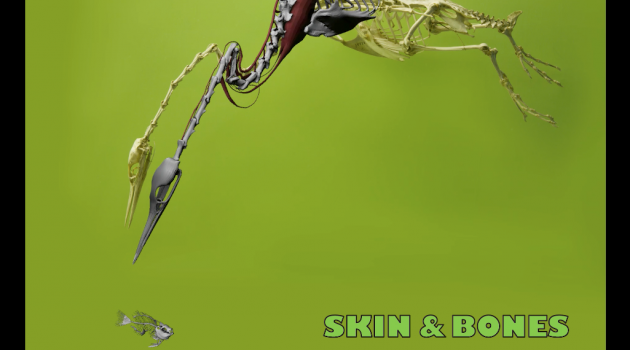
Museum specimens come to life in new “Skin and Bones” mobile app In anthropology, paleontology, Research News, technology, Video, zoology / 13 January 2015 / 0 comments
Where did your favorite Thanksgiving Day food originate? Anthropology has the answer In anthropology / 1 November 2014 / 2 comments
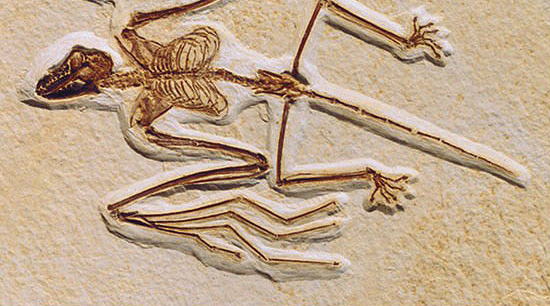
New Book: A History of Life in 100 Fossils In anthropology, Book Review, climate change, conservation biology, geology, marine science, paleontology, Research News, Science Spotlight, zoology / 10 October 2014 / 0 comments
Smithsonian Symposium: The Anthropocene In anthropology, climate change, conservation biology, marine science, Research News, zoology / 7 October 2014 / 0 comments
Volunteers needed for massive Smithsonian digitization project In anthropology, conservation biology, materials science, paleontology, Research News, technology / 12 August 2014 / 6 comments
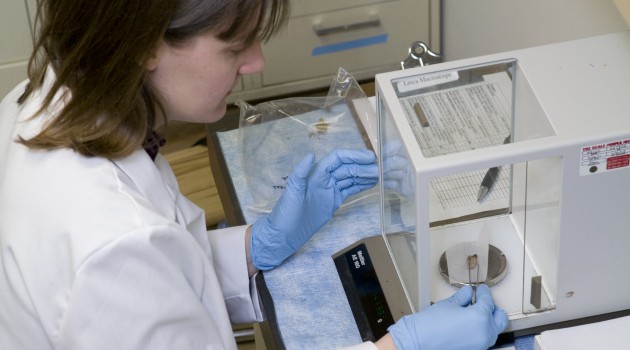
Smithsonian/Wisconsin police narrow search in 20 year mystery In anthropology, materials science, Research News / 23 July 2014 / 0 comments
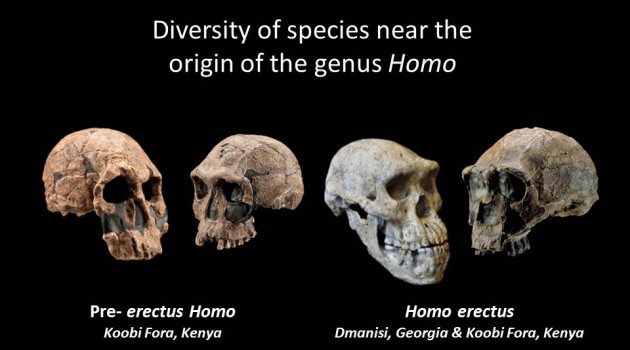
Human Evolution Rewritten: We owe our existence to our ancestor’s flexible response to climate change In anthropology, climate change, geology, paleontology, Research News / 3 July 2014 / 7 comments
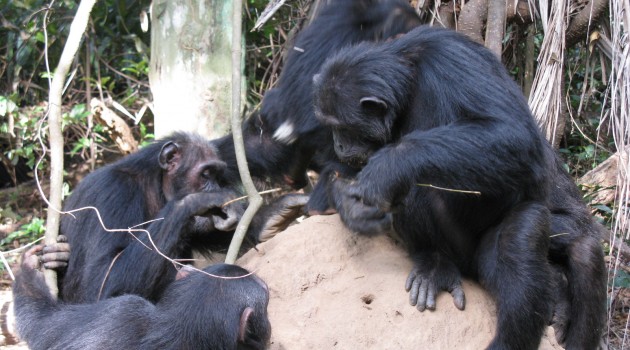
Termites for breakfast? Your ancestors might have! In anthropology, paleontology, Research News, zoology / 17 April 2014 / 1 comment
Matthew Larsen In anthropology, climate change, conservation biology, marine science, Research News, Science Spotlight, zoology / 2 April 2014 / 0 comments
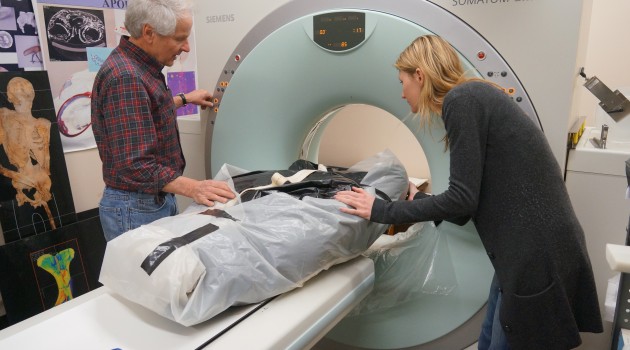
Unlocking secrets–technology allows scientists to peer inside great apes In anthropology, Research News, technology, zoology / 13 March 2014 / 0 comments