Utah is one of the most dramatic backdrops in the American West for a couples trip-five national parks, canyon landscapes, and a wide spread of accommodations from gateway towns to mid-size cities. This guide covers 12 hotels across the state, selected and analyzed for couples looking for comfort, convenience, and real value without guesswork.
What It's Like Staying in Utah as a Couple
Utah rewards couples who plan ahead. The state spans an enormous geographic area, meaning the experience in Zion's gateway towns feels nothing like staying near Salt Lake City or in the Uinta Basin. National park proximity is the single biggest driver of hotel pricing and availability-properties near Zion or Bryce can sell out weeks in advance during spring and fall. Crowds thin noticeably in winter, making it a genuinely underrated season for couples who prefer quieter trails and lower rates, though some amenities close seasonally.
Getting around requires a car in almost every corner of Utah outside Salt Lake City. Public transit between regions is essentially nonexistent, so couples should factor in drive times-Zion to Bryce Canyon, for example, is around 90 minutes. The payoff is access to landscapes most destinations can't match.
Pros:
- Stunning natural scenery-slot canyons, red rock arches, and alpine lakes-creates a built-in romantic atmosphere without extra effort
- Wide variety of hotel locations across the state means couples can plan multi-destination road trips with logical overnight stops
- Outdoor activities like hiking, stargazing, and scenic drives are largely free or low-cost, keeping trip budgets flexible
Cons:
- A car is essential for every region outside Salt Lake City, adding rental costs and planning complexity
- Gateway towns near major parks have limited dining and nightlife options, which may feel restrictive for couples seeking evening entertainment
- Peak season booking windows open very early-waiting until a few weeks out near Zion or Arches means limited availability and higher prices
Why Choose a Couples Hotel in Utah
Hotels marketed toward couples in Utah tend to differentiate through hot tubs, pool access, and proximity to trailheads or scenic viewpoints-not through luxury amenities in the European boutique sense. Most options in Utah's 3-star tier offer indoor pools and hot tubs, which matter more here than in urban destinations because evenings in canyon country can drop sharply in temperature year-round. Couples benefit from these features without paying a premium compared to coastal markets. Rates at well-located properties in gateway towns or mid-state cities often run significantly below comparable-quality hotels in Las Vegas or Denver-sometimes around 30% less for similar amenities.
Room sizes in Utah's mid-range hotels tend to be generous by national standards, with many properties offering suite configurations or kitchen-equipped rooms that suit couples on longer road trips who want to self-cater occasionally. The trade-off is that these properties are rarely walking distance to much beyond fast food and gas stations-Utah's hotel corridors are built around highway access, not walkable town centers.
Pros:
- Hot tubs and indoor pools are standard at most 3-star properties, offering a wind-down option after full days of hiking or driving
- Suite and kitchen-equipped room options are widely available, giving couples more space and flexibility than standard doubles
- Competitive pricing compared to national park-adjacent markets in other Western states, with strong value at the 3-star level
Cons:
- Most properties sit on highway corridors rather than in walkable areas, requiring a car even for dinner
- Romantic atmosphere relies heavily on the natural surroundings-the hotels themselves are functional rather than design-forward
- Limited fine dining or spa amenities at the mid-range level means couples seeking indulgent evenings need to seek those out separately
Practical Booking & Area Strategy for Couples in Utah
Utah's most logical base for couples doing a road trip is either Salt Lake City-which offers the best airport access and the widest service range-or a gateway town anchored to a specific park. Farmington and the Salt Lake City metro work well as arrival-night bases before heading south, with Salt Lake City International Airport connecting to most major US hubs. From there, the drive to Zion National Park takes roughly 4.5 hours via I-15, with Richfield and Nephi serving as practical midpoint overnight stops rather than destination stays.
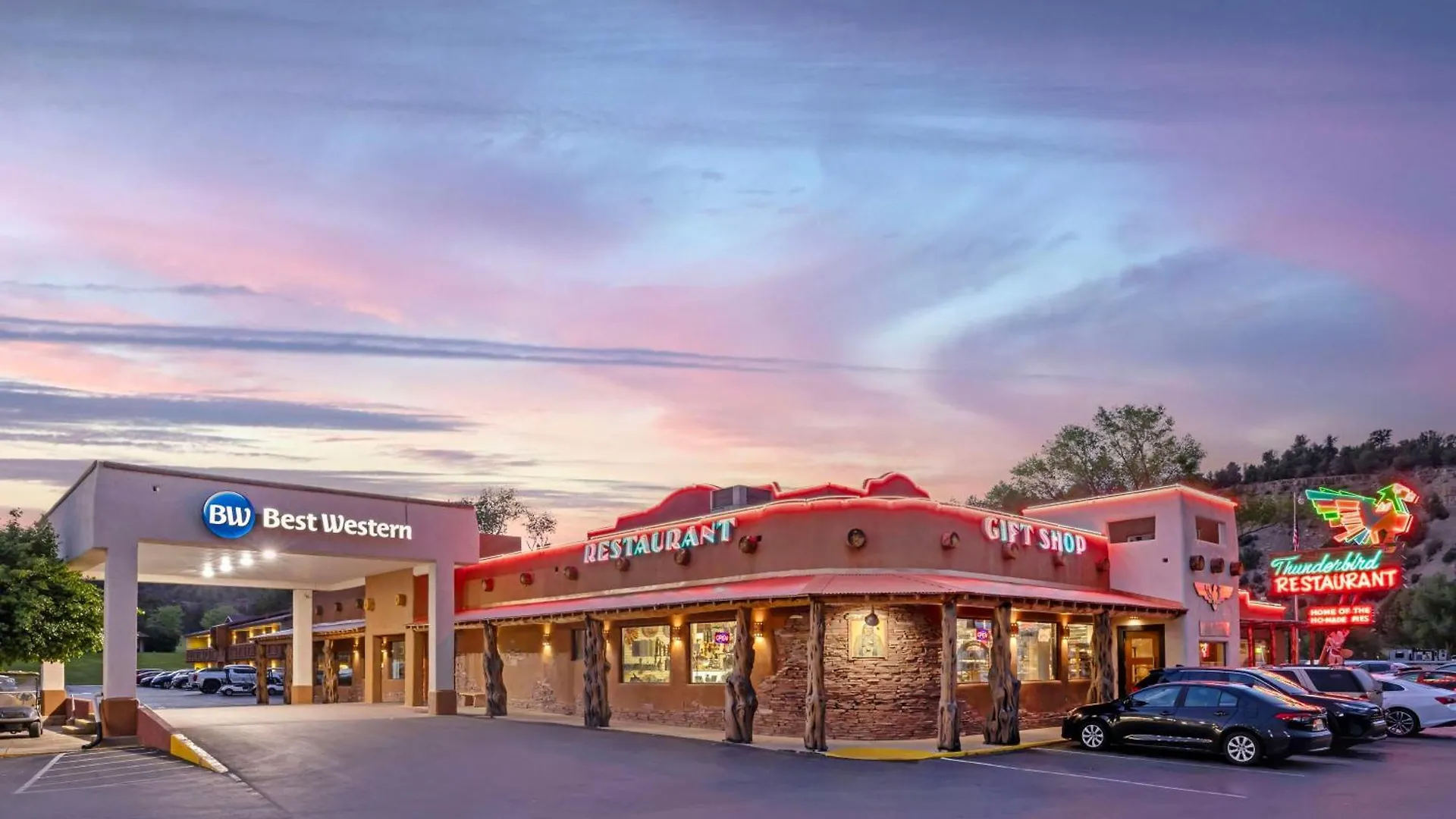
For couples focused on Zion, the east entrance via Mt. Carmel Highway adds dramatic scenery and positions you near the Best Western East Zion property-a smarter approach than fighting traffic through the main south entrance during peak season. Price and Roosevelt in eastern Utah are undervisited by most tourists but sit near Dinosaur National Monument, Nine Mile Canyon, and excellent mountain biking terrain-genuinely off-the-beaten-path options for couples who want fewer crowds. Book any park-adjacent hotel at least 6 weeks ahead for spring and fall travel; last-minute availability near Zion between March and October is rare and expensive. Logan in the north is an underrated couples destination thanks to Logan Canyon and Bear River Mountains, with a quieter university-town feel that contrasts with the park rush.
Best Value Stays for Couples in Utah
These properties offer strong fundamentals for couples-hot tubs, pools, free breakfast, and honest highway-accessible locations-at rates that leave room in the budget for park entrance fees, gear, and dining.
-
1. Best Western East Zion Thunderbird Lodge
Show on map


 Check-infrom 16:00 until 22:00Check-outuntil 11:00
Hurry – almost gone at this price!
fromUS$ 125
-
2. Best Western Richfield Inn
Show on map


 Check-infrom 14:00 until 23:59Check-outuntil 11:00
Rooms filling fast – secure the best rate!
fromUS$ 91
-
3. Holiday Inn Express & Suites - Nephi By Ihg
Show on map


 Check-infrom 15:00 until 23:59Check-outuntil 11:00
Hurry – almost gone at this price!
fromUS$ 144
-
4. Quality Inn Payson I-15
Show on map


 Check-infrom 14:00 until 23:59Check-outuntil 11:00
Best price guarantee
fromUS$ 85
-
5. Western Inn - Tremonton, Utah
Show on map


 Check-infrom 14:30 until 23:59Check-outuntil 11:00
Just a few rooms left at the best rate!
fromUS$ 90
-
6. Quality Inn Logan Near University
Show on map


 Check-infrom 15:00 until 23:59Check-outuntil 11:00
Best price guarantee
fromUS$ 54
-
7. Mainstay Suites Salt Lake City Fort Union
Show on map


 Check-infrom 15:00 until 23:59Check-outuntil 11:00
Best price guarantee
fromUS$ 59
Best Premium Stays for Couples in Utah
These properties offer stronger amenity packages, better-defined locations, or notable features-like free airport shuttles, on-site restaurants, or Marriott-brand suite kitchens-that justify a step up in rate for couples wanting more from their base.
-
8. Greenwell Inn
Show on map


 Check-infrom 14:00 until 23:59Check-outfrom 06:00 until 11:00
Just a few rooms left at the best rate!
fromUS$ 76
-
9. Surestay Plus Hotel By Best Western Price
Show on map


 Check-infrom 15:00 until 23:59Check-outuntil 11:00
Best price guarantee
fromUS$ 90
-
10. Comfort Inn Ballard-Roosevelt
Show on map


 Check-infrom 14:00 until 23:59Check-outuntil 11:00
Rooms filling fast – secure the best rate!
fromUS$ 150
-
4. Towneplace Suites By Marriott Vernal
Show on map


 Check-infrom 15:00 until 23:59Check-outuntil 12:00
Best price guarantee
fromUS$ 149
-
5. Hampton Inn and Suites Salt Lake City/Farmington
Show on map


 Check-infrom 15:00 until 23:59Check-outuntil 11:00
Just a few rooms left at the best rate!
fromUS$ 169
Smart Travel & Timing Advice for Couples Visiting Utah
Utah's peak season runs from mid-March through October, with April, May, September, and October representing the best balance of weather, trail conditions, and manageable crowd levels at the major parks. Summer months-particularly July and August-bring extreme heat in canyon country, with temperatures at Zion regularly exceeding 100°F, which significantly limits comfortable hiking windows for couples. Winter travel from November through February brings genuine quiet, lower rates, and dramatic snow-dusted landscapes, though some park roads and amenities close seasonally and some gateway town restaurants reduce hours.
For couples targeting Zion or Bryce, booking accommodation at least 6 weeks ahead for spring and fall travel is not optional-it's a logistical necessity. Last-minute searches in peak season near the south entrance of Zion routinely return limited inventory at elevated prices. Midweek stays (Tuesday through Thursday) consistently offer better availability and marginally lower rates than weekends across most Utah hotel corridors. Couples planning a multi-park road trip should budget at least 7 nights to cover Zion, Bryce, Capitol Reef, and Arches without feeling rushed-shorter trips force trade-offs that reduce the overall experience quality.